Leverage smart monitoring and telematics data to drastically reduce fuel and operational costs.
Reducing fleet costs doesn’t have to mean downsizing your assets or limiting your operations. Real savings are found in eliminating the 'invisible inefficiencies' that drain your monthly budget. The key to sustainable cost reduction lies in proactive monitoring and the power to act on real-time data.
In a global market where fuel and road tolls are rising fixed costs, a fleet manager’s competitive edge depends on the ability to optimize every single kilometer traveled.
Actionable strategies to lower your fleet’s operating costs
To achieve immediate gains in operational profitability, there are three high-impact areas where fleet management technology provides total control:
Driving behavior optimization: Telematics allows you to identify harsh acceleration, violent braking, and speeding. By correcting these habits, you not only improve driver safety but can also reduce fuel consumption and tire wear by more than 15%.
Idling Reduction & Engine Control: Leaving the engine running while the vehicle is stationary (idling) is one of the most significant sources of fuel waste. Monitoring idle times allows you to educate your team and save hundreds of liters of fuel every month.
Rigorous preventive maintenance management: Using automated alerts based on real-time mileage prevents minor issues from turning into catastrophic failures. Ultimately, a scheduled service is always more cost-effective than emergency repairs that lead to vehicle downtime and delivery delays.
Invoice reconciliation
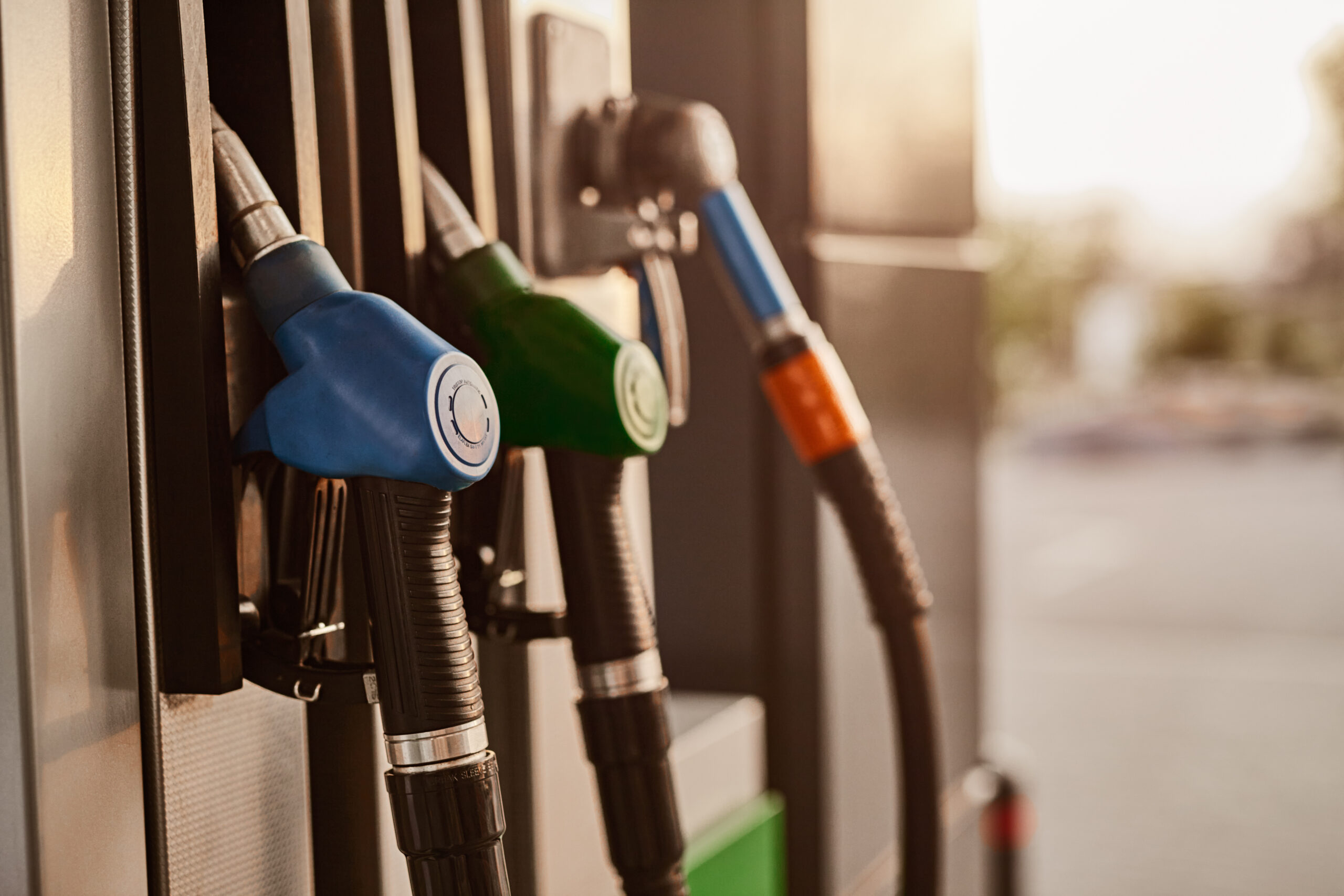
One of the biggest capital leaks occurs when companies fail to cross-check what they pay against what drivers actually consume.By integrating fuel cards with a platform like JAT Fleet, you can automatically cross-reference billing data with actual vehicle mileage. This process detects discrepancies instantly, ensuring that every cent is accounted for and invested wisely.
Digitalizing these processes yields massive gains in administrative efficiency. Fleet managers who once wasted hours auditing paper receipts and manually updating spreadsheets can now focus on high-level performance analytics. This shift empowers them to make data-driven decisions that actively strengthen the company’s financial health.