The future in the era of hyperconnectivity
The mobility industry is undergoing its most profound transformation since the invention of the internal combustion engine.
In the global market, efficiency is no longer measured solely by miles driven; it is now dictated by the ability to transform data into real-time decisions. We are talking about Fleet Management 4.0.
A Fleet Management 4.0 it is a complete redefinition of how assets move, communicate, and generate value.
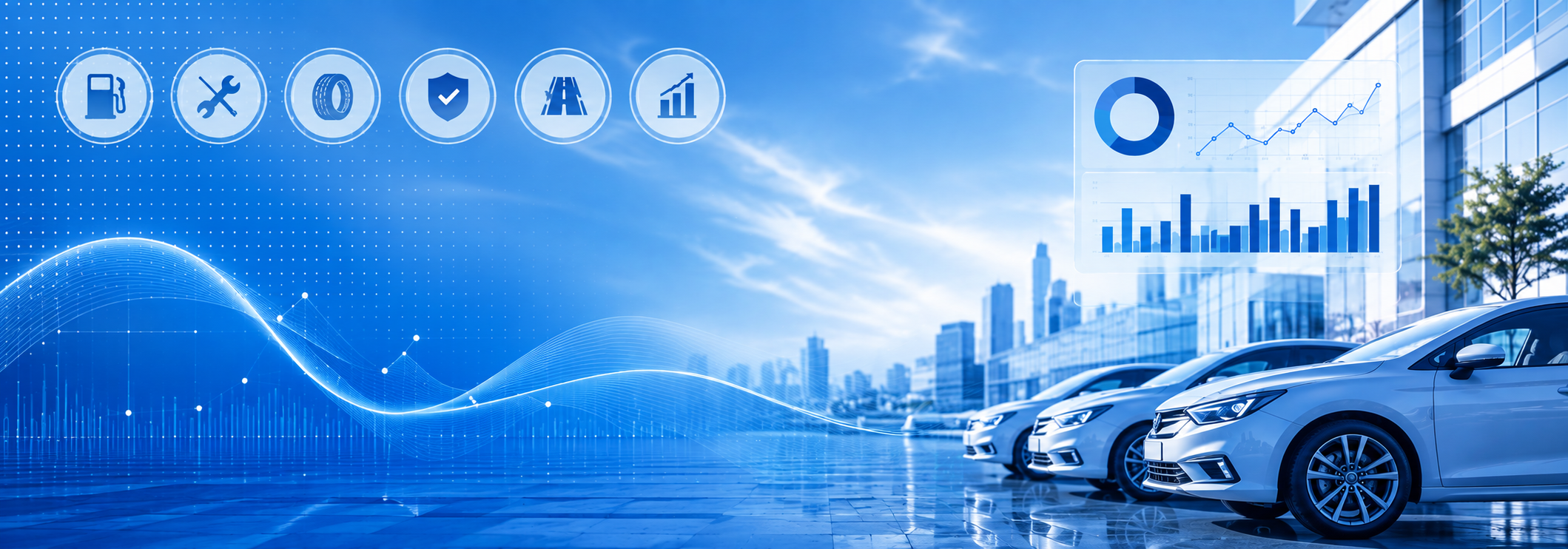
Unlike traditional management, which was reactive and based on historical records, Management 4.0 is proactive, predictive, and integrated assentando em four pillars that are shaping the fleets of the world's leading companies:
- Advanced Telemetry and IoT (Internet of Things)
Today, a vehicle is a mobile data center. Sensors monitor everything from tire pressure to cargo temperature and driver behavior. In a global context, integrating this data via IoT allows companies to have total visibility of the supply chain, drastically reducing operational losses. - Artificial Intelligence and predictive maintenance
Through Machine Learningalgorithms, systems can predict when a component will fail even before a warning light appears on the dashboard. This eliminates unplanned “downtime” , one of the biggest capital drains in any global logistics operation. - Ecosystem integration (SaaS and Cloud)
Modern platforms, such as JAT Fleet and other global solutions, enable vertical integration with ERPs, fuel systems, and international toll networks. This centralization removes "information silos," allowing the finance department and the operations team to speak the same language.
Global trends
The industry is moving rapidly in directions that were science fiction a decade ago:
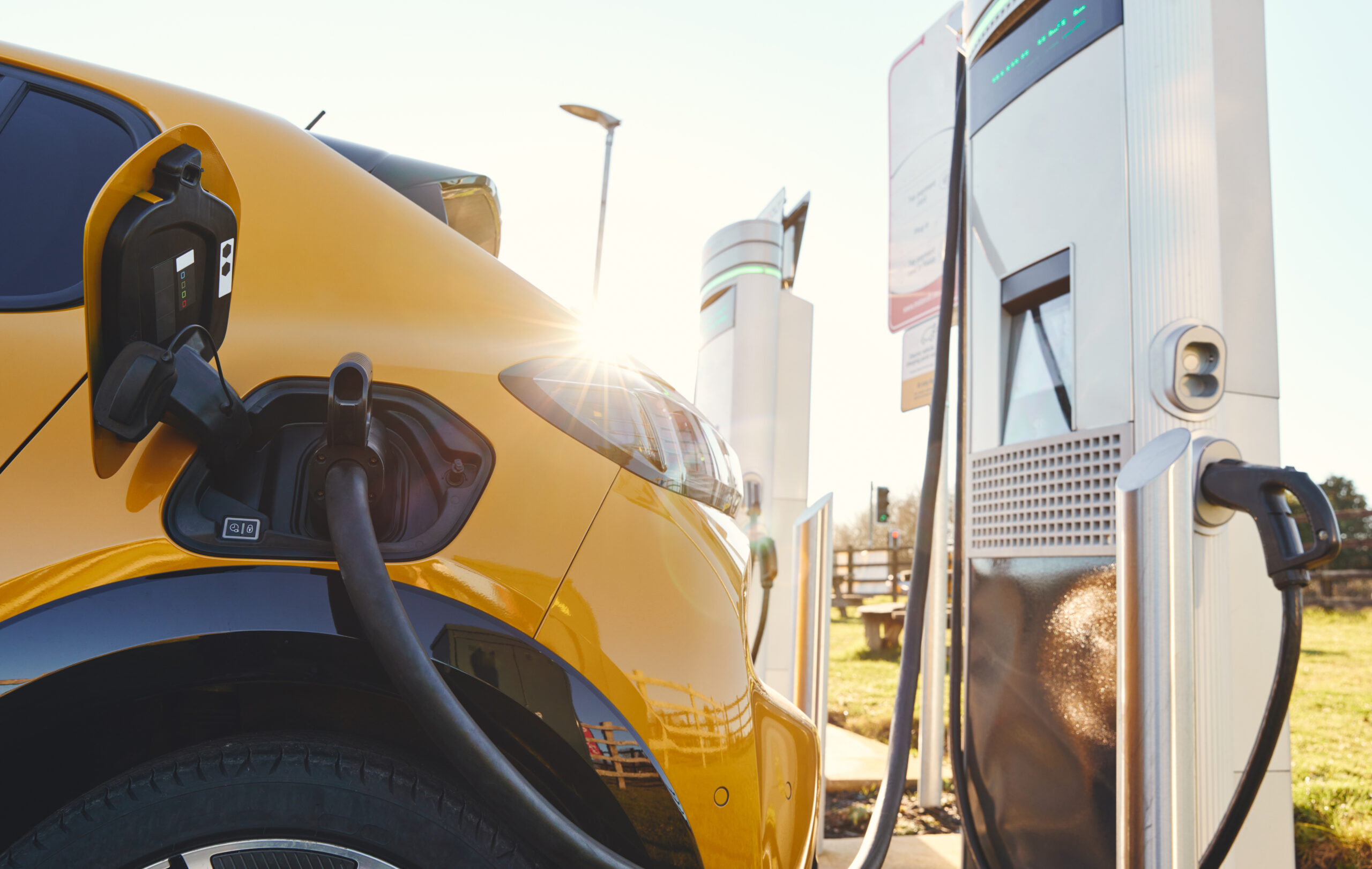
Decarbonization and Electric Vehicle (EV) Fleets: Fleet Management 4.0 is essential for the energy transition. Managing battery range and charging times requires a level of data precision that only 4.0 technology can provide.
Data-Driven Safety: AI-powered cameras that detect driver fatigue or distraction are becoming the global standard for reducing accidents and insurance premiums.
Real-Time TCO Calculation: O Total Cost of Ownership is no longer calculated annually, but by the second, allowing for dynamic adjustments in routing and resource allocation.
For companies operating in a competitive market, the adoption of comprehensive digital tools brings immediate benefits:
- Operational cost reduction: Optimizing fuel and routes can reduce expenses by up to 20%.
- Total transparency: Analytical reports (Business Intelligence) that show exactly where the money is being spent.
- Driver app: Including drivers in the digital ecosystem through mobile apps improves communication and compliance with safety standards.
A Fleet Management 4.0 it is the gold standard for any organization that relies on mobility for its success. Advanced platform solutions are no longer a luxury, but a critical infrastructure.
By adopting these technologies, companies ensure not only their survival but their leadership in a world where information is the most valuable fuel.