It starts with a small difference.
One vehicle uses more fuel than it did the previous month. Nothing alarming. It may have travelled more miles, faced heavier traffic or carried a larger load.
A few days later, it happens again.
The amount still does not seem high enough to justify an investigation. But fuel consumption per mile has also increased.
This is where the fleet manager starts following the trail.
The problem may not be the fuel card
Abnormal fuel consumption may be caused by a recording error, a card being used for another vehicle or incorrect mileage being entered.
But the problem may also lie within the vehicle itself.
Incorrect tyre pressure, fuel injection issues, clogged filters, poor wheel alignment or other mechanical problems can increase fuel consumption before an obvious fault appears.
The vehicle continues to operate normally. It simply starts, quietly, using more fuel.
Data reveals what the statement hides
A single fuel transaction rarely tells the full story. The problem becomes visible when the fleet manager compares transactions with mileage, vehicle location, fuel tank capacity and maintenance history.
Some warning signs deserve attention:
- Several fuel transactions within a short period;
- More litres purchased than the vehicle’s fuel tank can hold;
- Purchases made outside authorised hours;
- Transactions made far from the vehicle’s location;
- A continuous increase in fuel consumption per mile.
None of these signs proves misuse on its own. But each one deserves further investigation.
Detecting the problem early avoids paying twice
When fuel consumption increases because of a mechanical issue, the company is not only paying more for fuel. It may also be delaying necessary maintenance and increasing the risk of a breakdown or vehicle downtime.
Waiting for the monthly statement means discovering the problem after the money has already been spent and the context has been lost.
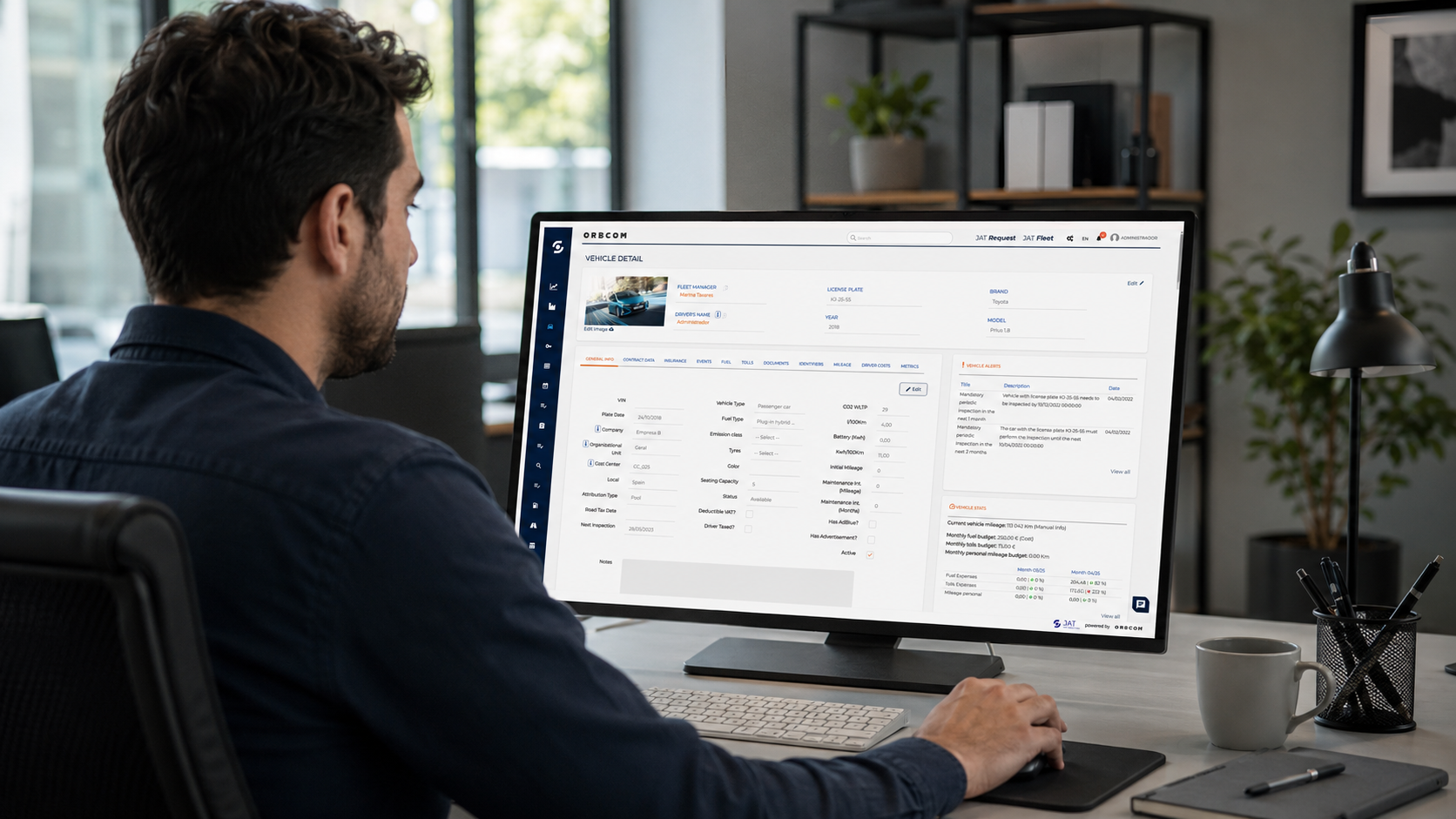
With centralised data, the fleet manager can quickly identify which vehicle is using more fuel, understand why and take action before a small difference becomes a significant expense.
Fuel cards show where the money was spent.
The right data shows why it was spent.