An accident is recorded when it happens. But warning signs of risk can appear much earlier, hidden in the driving data your fleet already generates every day.
A single instance of harsh braking may simply be an appropriate response to an unexpected situation on the road. But when it occurs frequently on the same route or at the same time of day, it becomes a pattern worth analysing.
This is where driving records become valuable in fleet management. By revealing usage patterns and recurring driving behaviours, they help fleet managers better understand operational risks and take preventive measures before an incident occurs.
What can driving data reveal?
Telematics systems collect various indicators on vehicle usage, depending on the equipment and integrations available. Among the most relevant to fleet safetyare:
- Harsh braking: may indicate recurring situations involving heavy traffic, challenging junctions or the need for quick reactions.
- Harsh accelerations: helps assess driving consistency and the conditions in which vehicles are used.
- Speed: helps identify patterns that deserve attention, taking into account applicable speed limits and the context of each journey.
- Times and routes: help determine whether certain routes or periods have a higher concentration of events potentially associated with risk.
The real value of these indicators lies in analysing them together. A single instance of harsh braking reveals little, but several similar events occurring along the same route and at similar times may highlight an operational condition worth investigating.
Context changes how driving data is interpreted
Imagine that several vehicles record a high number of harsh braking events during morning journeys.
At first glance, these events may appear to be related to driving behaviour. However, by cross-referencing the records with routes and times, the fleet manager may discover that they are concentrated in an area with heavy traffic or a particularly challenging access road.
In this case, the solution may involve reviewing schedules, choosing an alternative route or adjusting journey planning.
The same principle applies to other indicators. If events are concentrated on longer journeys, for example, it may be useful to review route planning and rest periods.
Driving records should be interpreted as indicators that help managers understand fleet operations, without jumping to conclusions about drivers.
This approach allows teams to be involved in identifying opportunities for improvement and helps promote a safety culture focused on prevention.
How to turn driving records into preventive decisions
Identifying a pattern is only the first step. The next step is to understand its cause and assess which measures could reduce exposure to risk.
To do this, fleet managers can monitor how indicators evolve over time, compare similar routes and link events to vehicle operating conditions.
If certain routes consistently record more challenging situations, it may make sense to review them. If driving patterns frequently vary at certain times of day, reviewing operational planning may be useful.
The data can also help guide awareness and training initiatives, tailored to the needs identified together with the teams.
This ongoing monitoring makes fleet risk management more consistent, helping managers base decisions on observable trends and assess whether the measures implemented are delivering improvements.
Driving data cannot predict accidents with certainty. Its value lies in highlighting situations that deserve attention and supporting interventions that can contribute to safer fleet operations.
Anticipating risk starts with understanding the data
Accident reports are essential for analysing incidents and defining corrective measures. However, an effective fleet safety strategy should also consider what happens every day, even when no accidents occur.
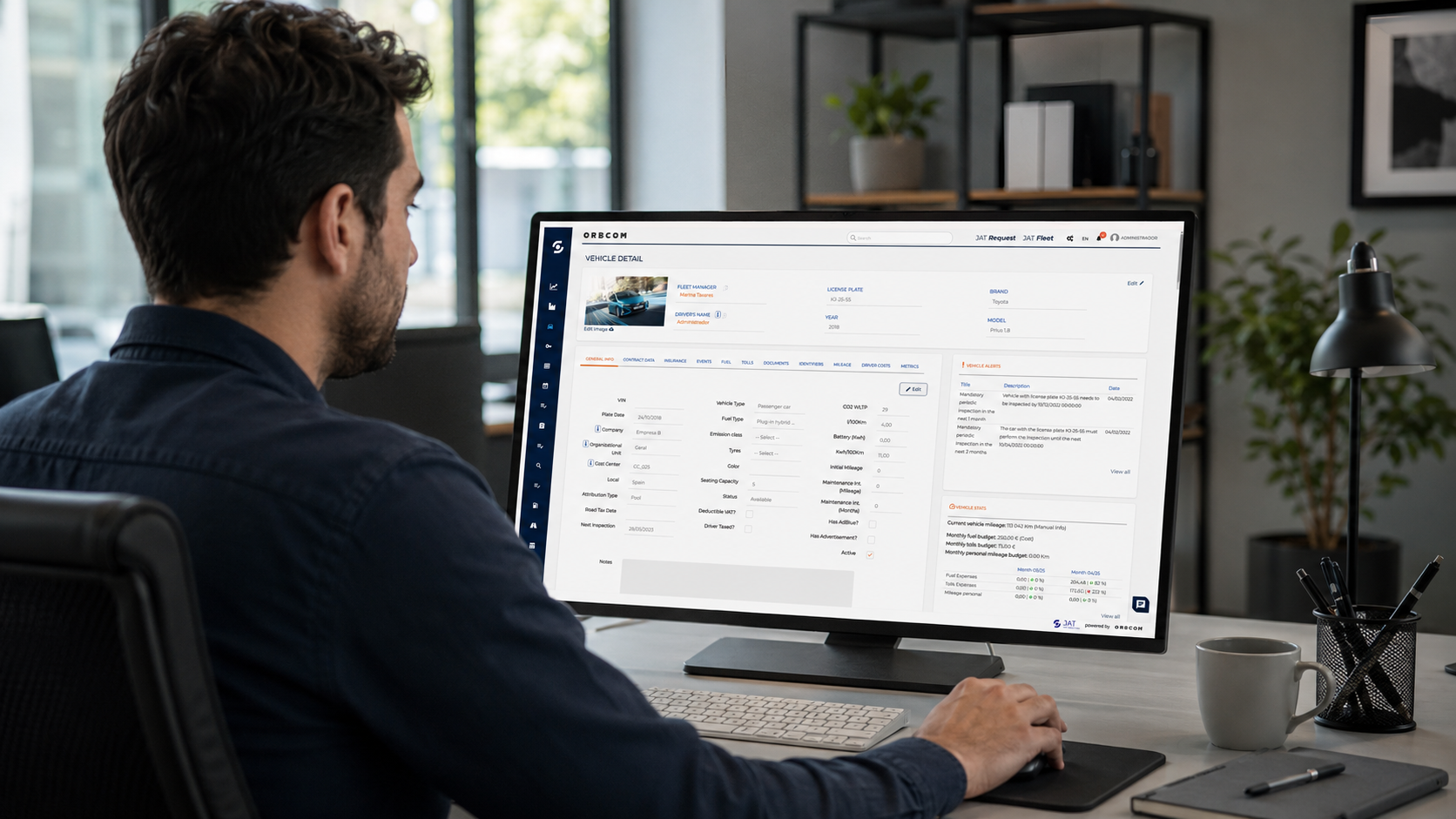
By bringing together information on vehicles, usage, routes and available telematics data, a fleet management platform like JAT Fleet helps managers monitor operations with greater context and make more informed decisions.
When it comes to fleet safety, waiting for the next accident report could mean overlooking warning signs that were already there.