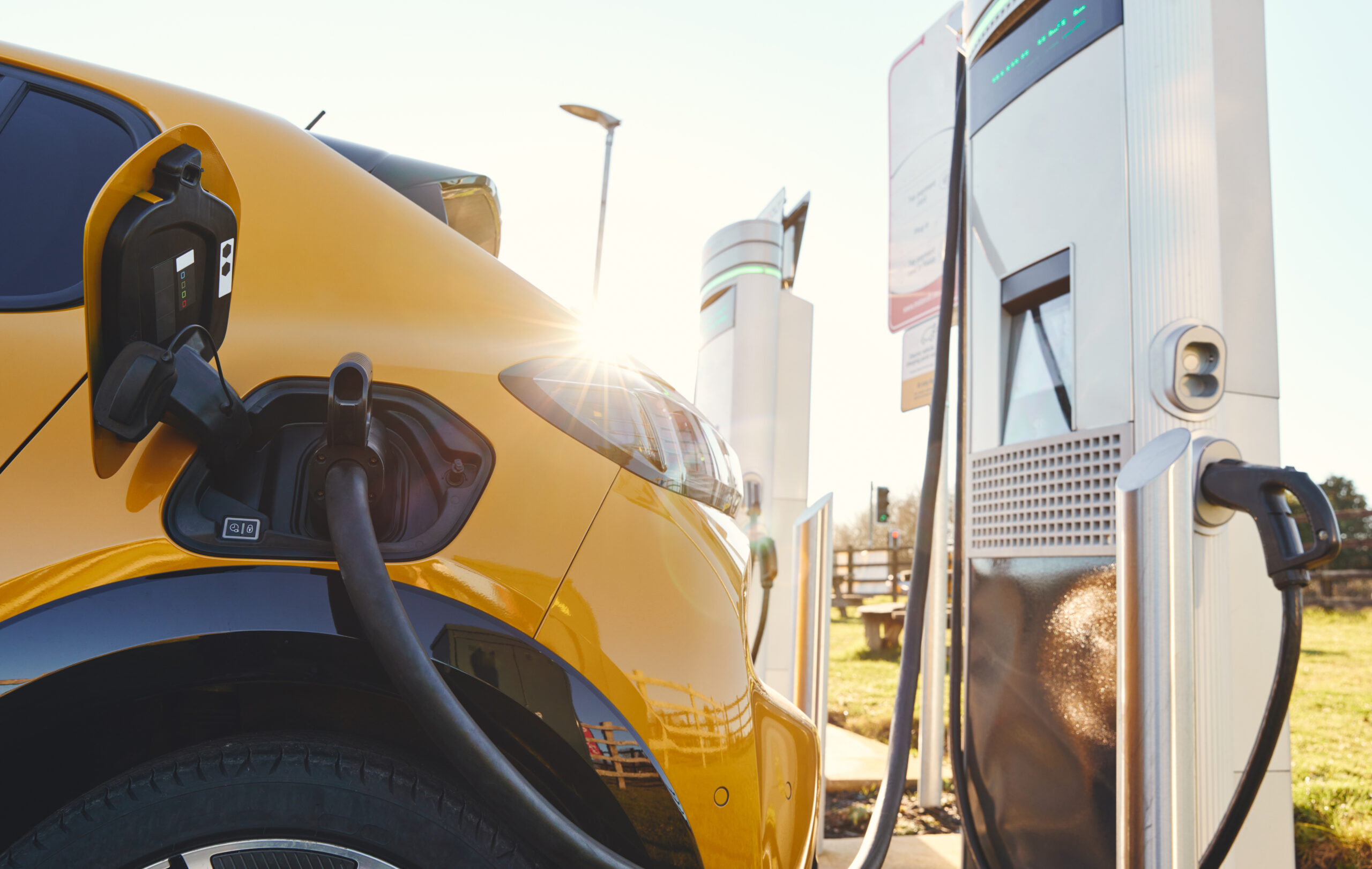
Electric mobility isn’t solved with vehicles alone. It’s solved with well-planned energy.
More and more companies are electrifying part or all of their fleets, but many have yet to take the next step: defining an energy strategy for electric fleets that ensures vehicles can actually operate every day, without operational surprises or unexpected costs on the bill.
The question is no longer “how do we electrify the fleet?”
It has become: “how do I keep my electric fleet running every day, at the lowest possible cost?”
The narrative is familiar: regulatory pressure, ESG targets, tax incentives, and market expectations are pushing companies toward electric mobility.The decision is made, the electric vehicles arrive… and suddenly, issues emerge that were never part of the plan.
Some warning signs:
• Electric vehicles sitting idle because there isn’t enough charging capacity for all of them;
• Operations delayed because vehicles weren’t charged at the right time;
• Spikes in electricity consumption that drive up costs;
• Excessive reliance on public charging stations, with no control over pricing or availability.
In these cases, the problem is no longer the vehicles.
It is the absence of a energy strategy for electric fleets that intelligently connects operations, schedules, available power, and costs.
Electrifying a fleet is not just about replacing combustion engines with batteries. It is about changing how operations are conceived. A fleet manager dealing with electric vehicles now has to answer questions that, until a few years ago, mainly belonged to facilities or energy teams:
• What is the current contracted power, and how much of it actually reaches the charging stations?
• What is the average daily cost of charging each vehicle?
• Is it more efficient to charge at night, during off-peak hours, or during the day, in specific time windows?
• How many vehicles can charge simultaneously without exceeding the building’s capacity?
• Is there potential to use solar energy or other on-site generation to power part of the fleet?
These questions are no longer technical details. They are now strategic decisions in electric fleet management,.
One thing is having electric vehicles available. Another is ensuring they have enough energy to meet routes, schedules, and service levels, without turning every charging session into a trial-and-error exercise.

For many years, the logic was simple: “someone” handled the vehicles; “someone” else dealt with the energy.
With electric fleets, this separation no longer makes sense. The most advanced companies have already realized that energy and mobility must sit at the same table.In practice, this means:
• Planning charging infrastructure together with energy, operations, and fleet management teams;
• Adjusting contracted power based on routes, work shifts, and charging windows;
• Establish clear internal policies: define which vehicles are charged first, at what times, and with what priority;
• Use management tools to distribute charging throughout the day, avoiding unnecessary peak loads;
• Monitor consumption in real time by vehicle, by charging point, by location, and by usage profile.
Fleet management platforms, such as JAT Fleet, play a central role here: they help connect operational information (trips, routes, usage) with the energy reality, enabling smarter decisions about when and how to charge—rather than relying solely on intuition or inherited routines.
Having an electric fleet is an important step.
Having a energy strategy for electric fleets it is what distinguishes those who merely “have EVs” from those who turn that choice into a true competitive advantage.
Some essential pillars:
1. Visibility into energy consumption and costs
Know:
• How many electric vehicles you have;
• Where they are charged;
• How much they consume;
• How much each charging cycle costs.
Without this visibility, electrification may seem sustainable… until the bill arrives.
2. Capacity planning
Align:
• Contracted power;
• Number of charging points;
• Vehicle dwell times;
• Periods of higher and lower load on the infrastructure.
The goal is straightforward: to ensure that available energy keeps pace with the growth of the electric fleet, without disrupting operations or incurring additional costs.
3. Clear charging rules
Define internal policies, for example:
• Which vehicles are prioritised (urgent, critical, commercial);
• During which time windows most charging should take place;
• How to prevent everyone from plugging in at the same time “just because”.
This reduces internal conflicts, eliminates ad hoc decisions, and makes charging routines predictable.
4. On-site generation and sustainability goals
Assess whether it makes sense to invest in on-site generation (such as solar PV) to:
• Reduce dependence on the public grid;
• Protect against price volatility;
• Strengthen performance on ESG metrics.
What once seemed like a purely technical topic has become a concrete way to control costs, gain predictability, and improve the fleet’s environmental footprint.

Electric fleets don’t run on good intentions. They run on energy, the right energy, at the right time, at the right cost.
Without an energy strategy, electrification risks creating new problems: idle vehicles, delayed operations, uncontrolled costs, and teams stuck firefighting instead of planning.
Those who treat energy as an integral part of the fleet strategy electric fleet management, are able to:
• Reduce operating costs;
• Gain predictability;
• Align mobility with sustainability goals;
• And ensure vehicles are doing what they were bought to do: keep the business moving.
The future of fleets is not just electric.
It is electric supported by a well-defined energy strategy for electric fleets that underpins every kilometre driven.