Continuing our analysis of the European Union's 2030 electrification targets, it is imperative to look at practical examples from those already leading the transition. While European regulations define the ‘what’ and the ‘when’, the Spanish market is teaching us the ‘how’. The reality of fleets in Spain demonstrates that electrification is not an isolated destination, but a journey that requires, above all, analytical and centralised management to ensure operational profitability.
The European Commission's recent proposal to mandate 100% electric corporate fleets by 2030, provocou uma onda de choque no setor automóvel e na gestão de ativos. Se até agora a transição energética era vista como uma escolha estratégica ou uma meta de sustentabilidade (ESG), a possibilidade de se tornar uma legal mandate muda completamente o tabuleiro de xadrez.
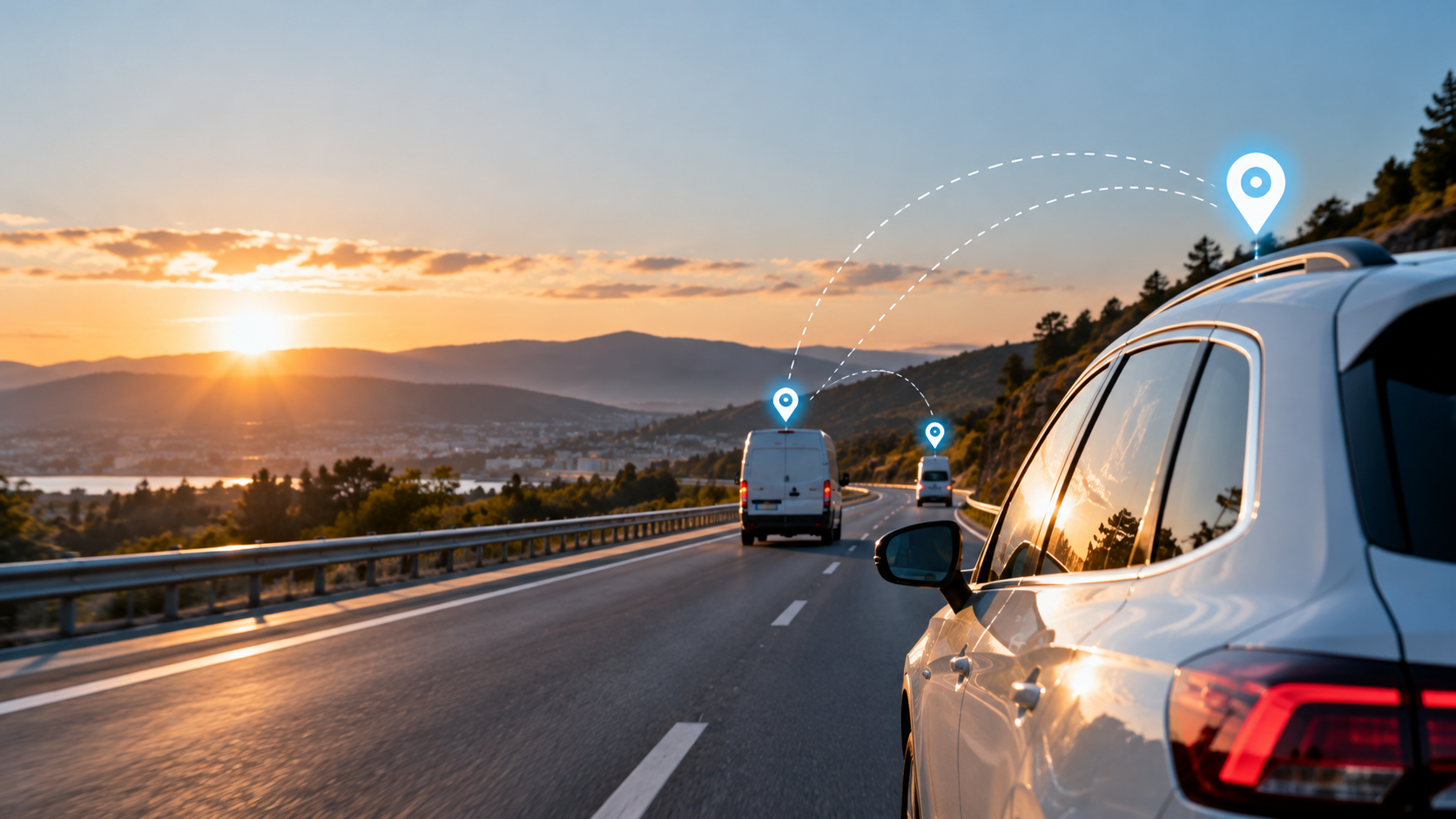
Spain is undergoing a historic shift in mobility. With over 80% of goods moving by road and the progressive rollout of Low Emission Zones (ZBE) across 149 municipalities, sustainability is no longer a "future plan". It is the engine of modern competitiveness. However, becoming sustainable isn't an automatic process. It is a management challenge that demands a new mindset.
Success is decided... on a screen
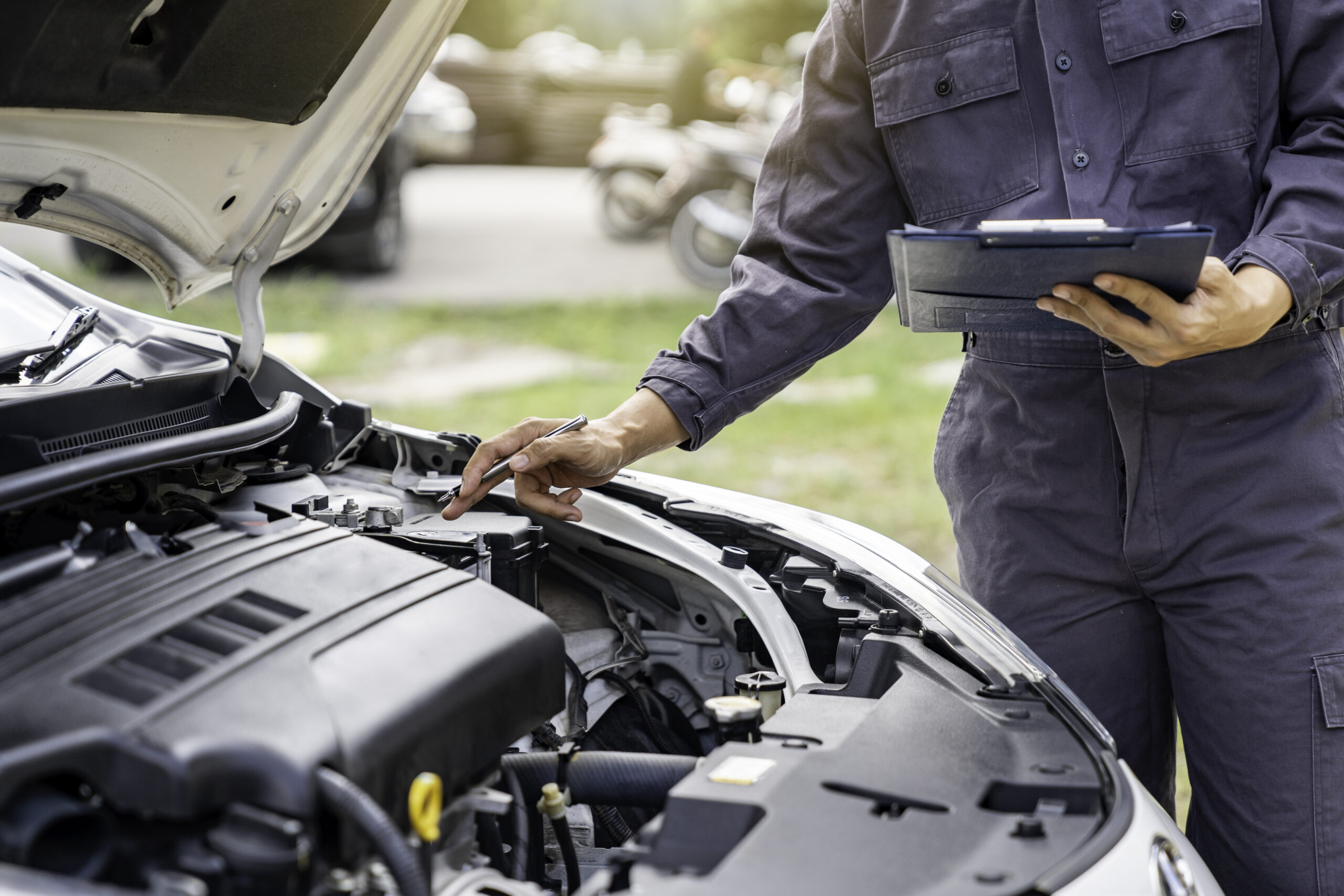
O erro mais comum? Achar que a transição se resolve a comprar carros novos. Na verdade, o sucesso da frota hoje decide-se no ecrã, não no stand. A tecnologia automóvel evoluiu, mas a forma como gerimos a informação tem de acompanhar esse ritmo. Para um gestor de frotas, o verdadeiro desafio não é o motor que está debaixo do capot, mas a inteligência que coordena toda a operação.
The challenge of New Mobility
Transitioning to a mixed fleet (ICE, hybrids, and EVs) is a mark of progress, but it lands several new variables on the manager’s desk:
-
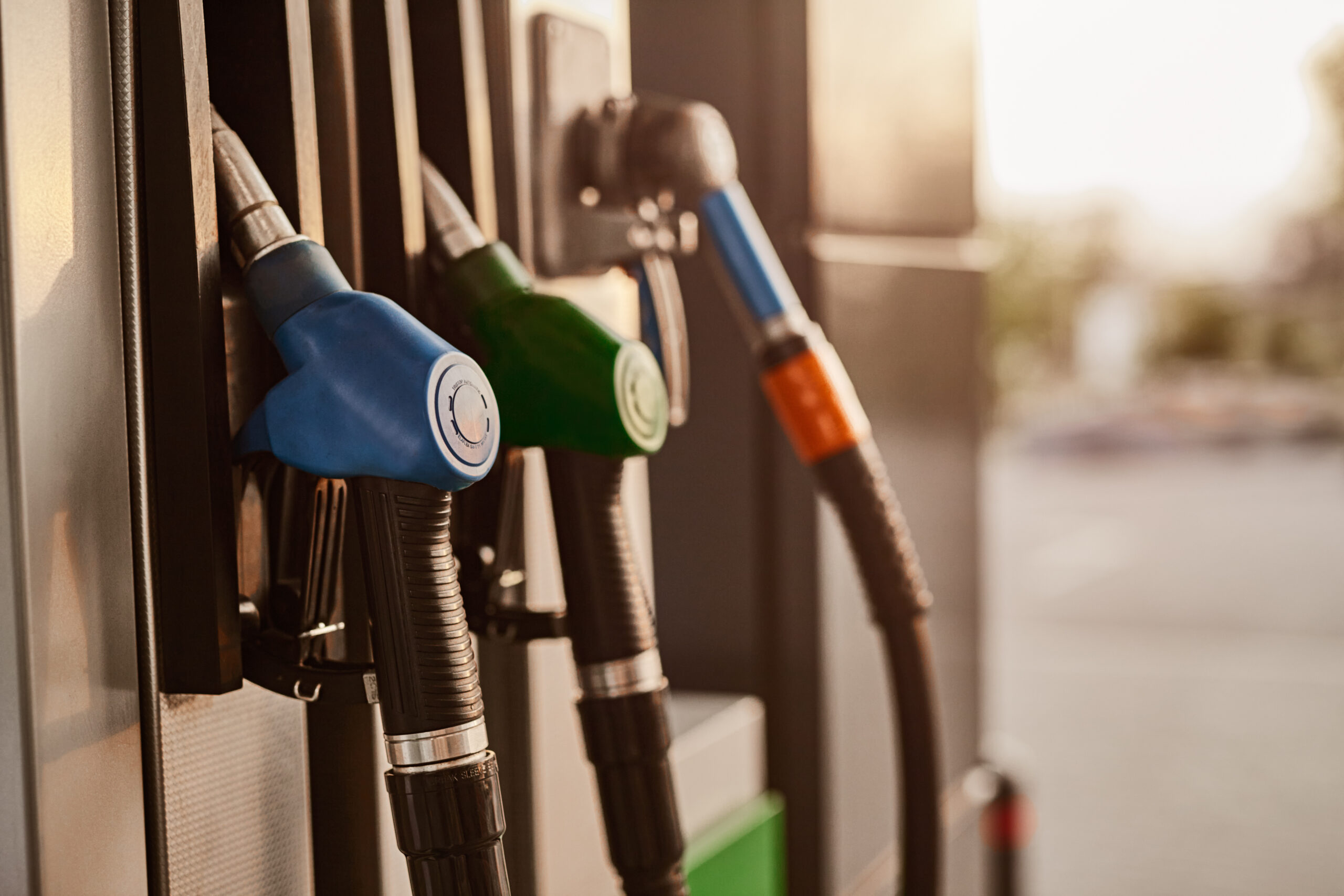
- How do you compare the real cost of an electric charge against traditional fuel?
-
- How do you ensure compliance with varying municipal regulations (such as Madrid 360 or Barcelona ZBE) without sacrificing productivity?
-
- How do you maintain profitability while making the operation more sustainable?
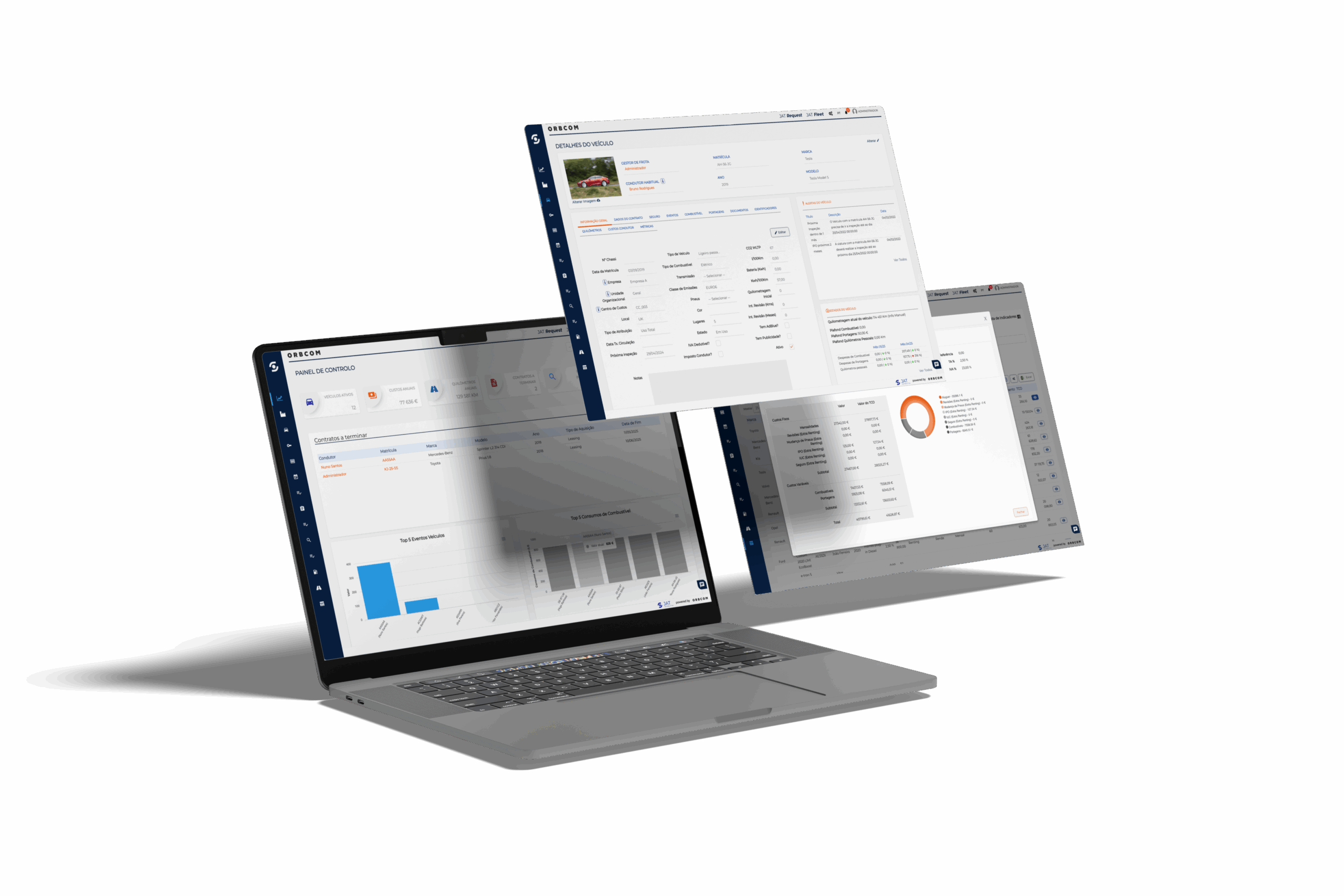
Attempting to manage this complexity in Excel is like trying to pilot a plane with a paper map. This is where data centralisation becomes a manager’s most powerful tool. Without a unified vision, efficiency gets lost in the noise of bureaucracy.
TCO is no longer what it used to be
In Spain, Total Cost of Ownership (TCO) has become highly variable. Fluctuating electricity costs, real-world efficiency on urban routes, and the impact of tax incentives all demand a 360º perspective.
Data is the new fuel: Without knowing exactly how much every kilometre
costs in real-time, fleet profitability is left to chance.
The energy transition in Spain adds layers of complexity, but only for those without data on their side.
The future of fleet management isn’t just about having the latest vehicles; it’s about having the platform that centralises the intelligence of the entire operation. By turning scattered data into clear decisions, companies aren’t just hitting environmental targets, they are building a more resilient, transparent, and, above all, profitable operation.